
Plumbing's Past : Tracing the Term 'Plumber'
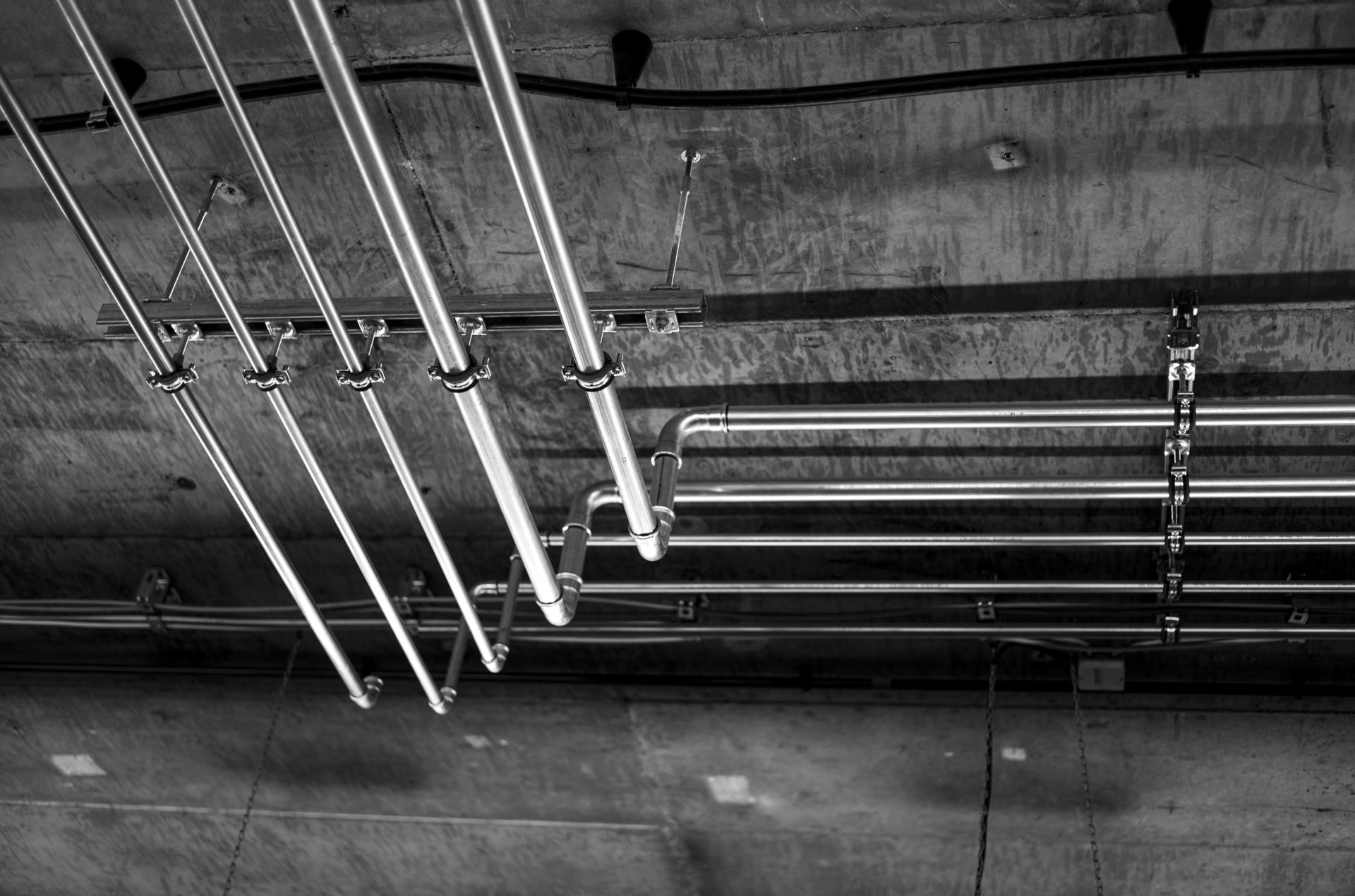
Plumbing is an essential aspect of our lives that we often take for granted. Without plumbing that is properly installed, we would not have access to pure water or the capability to remove waste safely.
This article aims to explore the background and development of plumbing as a profession and provide insight into the origins of the term "plumber."
The Origins of Plumbing:
Plumbing has been used for thousands of years. The earliest known plumbing system was discovered during the Indus Valley Civilization that existed from 2600 BCE up to 1900 BCE. These early plumbing systems employed pipes made of clay and some homes had indoor toilets that were connected to an irrigation system. Throughout history, various civilizations have contributed to the evolution of plumbing. The ancient Greeks along with the Romans also had elaborate plumbing systems that included fountains, aqueducts as well as public baths. These systems were built to improve hygiene as well as provide access to clean water.
A Brief History of the Evolution of Plumbing:
During the Middle Ages, plumbing technology stagnated. But, in the Renaissance period, plumbing saw an increase in its development. The 16th century saw the emergence of modern indoor plumbing systems that utilized pipes made from lead, wood and iron. These pipes could transfer water to various parts of a building or home. It was the Industrial Revolution brought significant changes to plumbing technology. Cast iron pipes and brand new types of pumps were created which allowed water to be moved more efficiently than before. Plumbing in the indoors became more prevalent in households and the need for skilled plumbers increased.
The Rise of Plumbing as a Profession:
Plumbing became a profession in the 19th century , when urbanization and the growth of cities led to the need for larger plumbing systems. Plumbing apprenticeships and schools were created, while the very first code for plumbing was drafted in 1883. This code set the standards of plumbing system, and also made sure the safety of the public.
The Origin of the term "Plumber":
The term "plumber" comes directly from Latin"plumbum "plumbum," which means lead. Lead was widely used in plumbing systems during the time of the ancients and people who worked with lead pipes were referred to in the form of "plumbumarius." Over time, the term changed to "plumber" and came to refer to any person who was involved in plumbing systems.
Conclusion:
Plumbing has come a long way from its beginnings in ancient civilizations. It has evolved into a{ vital|| crucial} profession that requires extensive training and expertise. The background of plumbing is a testimony to human ingenuity and the continuous effort to improve the quality of our lives.
FAQs:
What’s the distinction between the term plumber and a plumbing contractor?
A plumber is a professional licensed who specializes in installing and repairing plumbing systems. Plumbing contractors are firm that provides plumbing services, usually employing licensed plumbers.
How many years has plumbing been in operation?
Plumbing has been used throughout the ages, with the earliest known plumbing systems dating back in time to Indus Valley Civilization around 2600 BCE.
What are some plumbing issues homeowners face?
Common plumbing issues include leaky faucets, clogged pipes, running toilets low water pressure and sewer line problems.
What should I look out for when hiring the services of a plumber?
If you are hiring a plumber you should choose someone who is insured and licensed. Also, ask for references and check online reviews to ensure they have a good reputation.
What can I do to prevent plumbing problems in my home?
To prevent plumbing problems It is essential to be careful not to pour anything in the drain that can cause blockages. Regular maintenance, like flushing drains with vinegar and hot water, can also help prevent issues from developing.